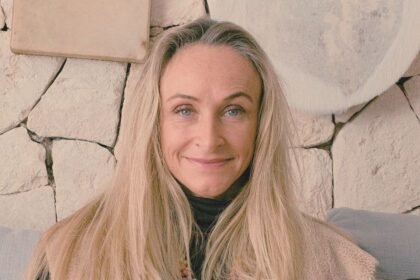




Most people who have heard the name “Deréon” think of a fashion label. But the name belonged to a real woman — a Louisiana Creole seamstress named Agnéz Deréon, who lived a quiet, private life and died four years before her granddaughter Beyoncé became a global name.
She never gave interviews. She never sought public attention. And yet her story, her craft, and her surname became the foundation of a major fashion brand. This article looks at who Agnéz Deréon actually was, where she came from, what she did, and how her name lives on.
Who Was Agnéz Deréon?
Agnéz Deréon — born Agnéz M. DeRouen — was the mother of Tina Knowles and the maternal grandmother of Beyoncé. She was not a public figure in any conventional sense. Her significance comes from her family role, her skill as a seamstress, and the way her descendants chose to honor her memory.
You may also see her name listed as Agnéz Beyincé in some records, reflecting her married name later in life. The variations — DeRouen, Deréon, Beyincé — all refer to the same woman at different stages of her life. This can cause confusion in genealogical searches, but the core identity is consistent across sources.
Because she was a private person, confirmed details about her life are limited. What we know comes primarily from genealogical records, family accounts, and background information shared publicly by Tina Knowles and Beyoncé in connection with the House of Deréon brand.
Birth, Family Roots, and Louisiana Creole Heritage
Agnéz was born on July 1, 1909, in Louisiana. Some sources list her birthplace as Abbeville; others say Delcambre. Both are small communities in Vermilion Parish in southern Louisiana, close enough that the discrepancy may simply reflect record inconsistencies from the era.
Her parents were Eugène Gustave DeRouen and Odelia Broussard. She was reportedly the youngest child in a large family — sources vary on the exact number of siblings, with estimates ranging from 16 to more than 20. The precise count is uncertain, so it’s best treated as approximate.
Agnéz grew up in a Louisiana Creole community, and that cultural identity shaped everything around her. Louisiana Creole culture blended French, African, Spanish, and Native American influences. It was reflected in the food people cooked, the language they spoke (often a mix of French and English), the music they played, and the clothing they wore.
For readers unfamiliar with the term: “Louisiana Creole” historically refers to people of mixed European and African descent, often with additional Native American heritage, who developed a distinct cultural identity in southern Louisiana. It is different from “Cajun,” though the two are sometimes confused. This heritage was central to Agnéz’s upbringing — not just a background detail, but the cultural fabric she was raised in.
Her Life as a Seamstress
Agnéz was a skilled seamstress. She made garments for local clients, church occasions, and community events. This was practical, hands-on work — not runway design, but the kind of careful, creative craftsmanship that communities depended on.
To understand what that meant in early-20th-century Louisiana, you have to understand the context. Women of color in Jim Crow-era Louisiana had very few formal economic or creative outlets. The fashion industry, as a professional career path, was largely closed off by racial segregation and structural inequality.
Dressmaking was one of the few spaces where a woman like Agnéz could exercise real skill and earn a living from it. A seamstress in her community might repurpose fabrics from worn garments, create custom dresses for church and dances, and bring French-influenced cuts together with African-inspired patterns and colors. That kind of resourceful, culturally layered creativity was not just practical — it was artistically meaningful.
Agnéz was not a public fashion designer or an industry figure. She was a community-level craftsperson. But the skill and care she brought to her work left a lasting impression on her family — and eventually on one of the most recognizable names in music and fashion.
Marriages, Children, and the Beyincé Family Line
Records suggest Agnéz was married more than once during her life. Sources commonly mention a husband named Mervin (or Melvin) Marsh and, later, Lumis Albert Beyincé. Her marriage to Lumis Beyincé is the one most often cited in connection with Tina Knowles, who is identified across multiple sources as their daughter.
The full list of her children is not consistently documented. Some genealogical sources name additional children, including Lumis Joseph Beyoncé and Melvin Marsh Jr., but these details vary across sources and should be treated with caution rather than presented as confirmed fact.
What is consistently confirmed is that Tina Knowles — fashion designer, businesswoman, and Beyoncé’s mother — is Agnéz’s daughter. That single family connection is the thread that runs through everything else in Agnéz’s public legacy.
Her Death and the End of a Quiet Life
Agnéz Deréon died on July 4, 1980, in Galveston, Texas. Multiple sources, including genealogical records and family-oriented profiles, point to cardiac failure as the cause of death and the University of Texas Medical Branch as the location.
She died at age 71, four years before Beyoncé was born in 1981. She never knew her famous granddaughter, and she could not have imagined that her surname would one day appear on clothing sold internationally.
One source lists a different death date — January 1, 1984 — but this conflicts with the majority of records, including those on Familypedia and DicyTrends, which consistently place her death in July 1980. The 1980 date is the more widely supported one.
How Her Name Became a Fashion Brand
In 2004, Beyoncé and her mother Tina Knowles launched a fashion label called House of Deréon. The name was a direct tribute to Agnéz — specifically to her maiden surname and her legacy as a seamstress.
Beyoncé and Tina publicly framed the brand as honoring three generations of women: Agnéz, the seamstress; Tina, the designer; and Beyoncé, the performer and face of the brand. The brand’s aesthetic — described as moving “from the streets to the stage” — was rooted in the idea of soulful, bold, and culturally rich style.
Think of it like a family tree of creativity. Agnéz’s seamstress work was the root. Tina’s career in fashion design was the trunk. Beyoncé’s stage costumes, visual identity, and brand partnerships were the branches. The whole structure grew from something Agnéz quietly built in a Louisiana community, without any intention of being famous for it.
This kind of tribute — naming a business after an ancestor — is more common than people realize. It functions as both family memory and cultural storytelling. For anyone who has ever seen “House of Deréon” on a clothing tag or an album credit and wondered what it meant, the answer is: a grandmother in Louisiana who knew how to sew.
For more profiles on the people and stories behind well-known names, visit OneBizJournal.
What Agnéz Deréon’s Story Actually Tells Us
Agnéz Deréon was not a celebrity. She did not leave behind interviews, public records of her work, or a documented fashion career. Most of what we know about her comes secondhand — through genealogical entries, family mentions, and context shared by Tina and Beyoncé over the years.
That limited record is worth respecting. It means we should be careful not to inflate her story into something it was not. She was not a global fashion pioneer or an industry revolutionary. She was a skilled, creative woman who made clothes for the people around her, raised her family in a culturally rich but historically difficult environment, and passed something meaningful down through the generations.
The fact that her granddaughter is one of the most famous entertainers in the world, and that her surname sits on an international fashion brand, does not change who Agnéz actually was. If anything, it makes her story more interesting — not because she was famous, but because she was not, and her influence reached further than she ever could have known.
Her name is the one that stuck. And in its own quiet way, that says everything.
Read Also: