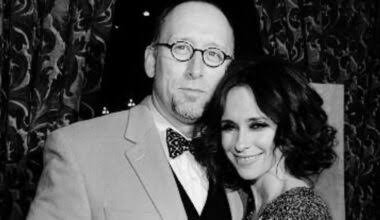



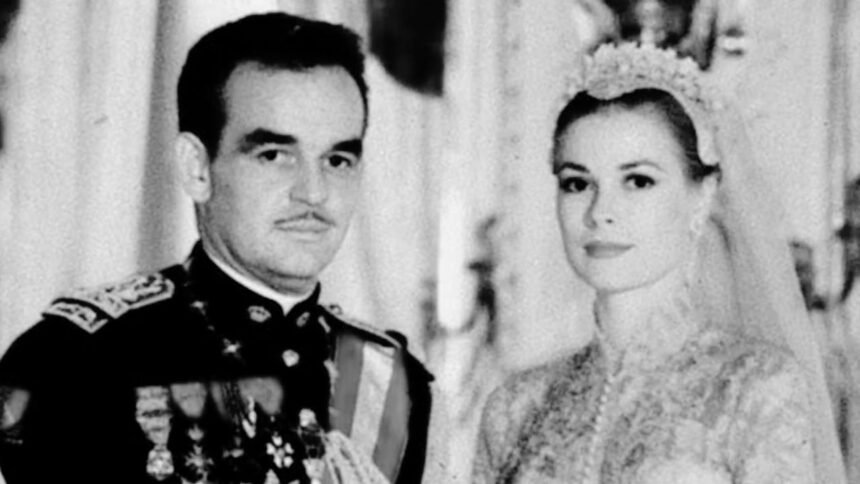
Uma Thurman is one of Hollywood’s most recognizable faces. Most people know her from Pulp Fiction, Kill Bill, and a career spanning several decades. But fewer people know that her family tree connects to a German baron who lived through both world wars.
Her maternal grandfather, Friedrich Karl Johannes von Schlebrügge, has quietly become a subject of online curiosity. His name surfaces on genealogy sites, Reddit threads, and celebrity family-tree articles. And along the way, some fairly dramatic claims have attached themselves to his story.
This article looks at what is actually confirmed about who he was, how he connects to Uma Thurman, and why some of the more sensational stories about him don’t hold up under scrutiny.
Who Was Friedrich Karl Johannes von Schlebrügge?
His full title was Colonel Baron Friedrich Karl Johannes von Schlebrügge. He was born on 21 November 1886 in Oberglogau, Silesia, which was then part of Germany. He died in 1954, according to multiple genealogical records including entries on Geni.com and Wikitree.
He came from the German aristocracy. The title of Baron in the German system was a lower-ranking noble designation — it carried social prestige and a sense of family lineage, but it didn’t automatically come with significant political power or authority.
Like many men of his class and era, he served as a cavalry officer during World War I. After the war ended and Kaiser Wilhelm II abdicated in 1918, Germany transitioned into the Weimar Republic. Friedrich Karl Johannes held monarchist views, meaning he believed in and supported the principle of monarchy. This was not an unusual position among German nobles of the time, many of whom found the post-imperial era deeply disorienting.
During the 1920s and 1930s, he worked as a businessman in Berlin. Beyond that general outline, there is no detailed public record of his professional life. No comprehensive academic biography exists. The information available today comes primarily from genealogy platforms and a handful of narrative biography sites, which are secondary sources and should be read with that in mind.
His Place in Uma Thurman’s Family Tree
Friedrich Karl Johannes married Birgit Holmquist, a Swedish woman. Together they had a daughter named Nena von Schlebrügge, born in 1941 in Mexico City.
Nena went on to have a notable life of her own. She worked as a fashion model in London and New York during the 1960s, later becoming involved in psychology and wellness. She is Uma Thurman’s mother, which makes Friedrich Karl Johannes Uma’s maternal grandfather.
The generational line is straightforward:
- Friedrich Karl Johannes von Schlebrügge (1886–1954)
- Nena von Schlebrügge (born 1941)
- Uma Thurman (born 1970)
That two-generation connection — from an obscure early-20th-century German aristocrat to a major Hollywood actress — is essentially the reason his name appears in celebrity coverage at all. Without Uma Thurman, Friedrich Karl Johannes would likely be known only to genealogists and historians of German aristocracy.
Uma Thurman’s career needs little introduction. She became globally known through her roles in Quentin Tarantino’s films and has remained a prominent figure in film for over three decades. It’s that fame that sends curious readers searching backward through her family history.
The “Nazi Spy” Claim and Where It Comes From
Among the most searched claims about Friedrich Karl Johannes is the idea that he was a Nazi spy. It’s a striking label, and it’s easy to see why it spreads online. But the evidence for it is thin at best.
A Reddit AskHistorians thread addressed this question directly. It flagged what appears to be a case of name confusion. The name “Baron Friedrich Kart Von Schelebrugge” appears connected to a spy identification in one context, while “Baron Friedrich Karl von Schlebrügge” is the documented name of Uma Thurman’s grandfather. These are similar names, but they have not been confirmed to refer to the same person.
No archival source and no scholarly work connects Uma Thurman’s grandfather to documented espionage. The “Nazi spy” label, as it applies to him specifically, is unsubstantiated. It should not be treated as fact.
This kind of name confusion isn’t unusual in celebrity genealogy. When records are fragmented, names are similar, and the subject is connected to someone famous, dramatic stories can take hold quickly and spread widely before anyone checks them carefully.
What About Claims That He Protected Jewish People?
Some narrative sites — particularly the Timeless Myths network, which publishes in English, German, and Dutch — describe Friedrich Karl Johannes as someone who refused to rejoin the military during World War II and who protected Jewish acquaintances. They also claim he was imprisoned by the Nazis as a result.
These are meaningful claims, and they deserve careful treatment rather than casual dismissal or uncritical acceptance.
The problem is that no independent historical record or archival source has been identified to confirm them. These stories appear on secondary narrative websites that blend documented genealogy with storytelling. They are not backed by primary sources such as wartime records, official documents, or scholarly histories.
It’s entirely possible that some version of these events occurred — many German aristocrats held conflicted or even quietly oppositional views toward the Nazi regime. But “possible” is not the same as “confirmed.” A responsible reading of the available evidence means treating these accounts as unverified anecdotes, not established history.
What “German Monarchist” Actually Meant
Friedrich Karl Johannes is consistently described as a German monarchist. It’s worth briefly explaining what that meant in his context.
When Kaiser Wilhelm II abdicated at the end of World War I, Germany’s imperial system collapsed. The Weimar Republic replaced it. For many German aristocrats and conservatives, this was a profound loss — not just of a political system, but of a social world they had grown up in and identified with.
Monarchism in that era meant supporting the idea of restoring a monarchy, often the Hohenzollern dynasty. It was a political and cultural stance, common enough among men of Friedrich’s class and background. It did not automatically mean any specific political activity or alliance with later movements.
Understanding this context helps place him more accurately in his historical moment — a former cavalry officer, a businessman in Weimar-era Berlin, and an aristocrat who looked back at the imperial era with some sense of loyalty. That’s a recognizable type from that period, even if the specifics of his individual life remain mostly undocumented.
The Broader Von Schlebrügge Family Name
Friedrich Karl Johannes is not the only person of note connected to the von Schlebrügge surname. The German Wikipedia page for the name lists several individuals across different eras and nationalities.
Johann David Paul von Schlebrügge (1769–1851) was a Prussian official. Max von Schlebrügge, born in 1977, is a Swedish footballer. And Nena von Schlebrügge, Uma’s mother, is noted as both a model and a psychologist.
The surname itself has appeared in German, Swedish, and American contexts across generations, which partly explains how confusion can arise when searching for a specific individual within the family line.
How Reliable Are the Sources on Him?
This is a fair question and worth addressing directly. The main sources available for Friedrich Karl Johannes von Schlebrügge are:
- Genealogy platforms like Geni.com and Wikitree, which provide basic biographical data but are collaboratively edited and not always verified against primary records.
- Wikidata, which confirms his birth date and birthplace in a structured but minimal format.
- Narrative biography sites like Timeless Myths and its German and Dutch versions, which offer more storytelling detail but blend confirmed facts with anecdotal claims and are not academic sources.
- Community discussion like the Reddit AskHistorians thread, which is useful for flagging name confusion but is not a scholarly publication.
There is no book-length biography, no newspaper archive series, and no academic paper that focuses on him specifically. For anyone researching his life, that’s the honest starting point. He was not a public figure in his own right. He is, as far as the historical record goes, a private individual who became retrospectively notable because of his famous descendants.
For those interested in the broader patterns of celebrity ancestry research, OneBizJournal covers cultural and public-figure topics with a similar commitment to careful sourcing.
What We Can Say With Confidence
Sorting through the confirmed details from the speculative ones, here is a reasonable summary of what is actually known about Friedrich Karl Johannes von Schlebrügge:
- He was born on 21 November 1886 in Oberglogau, Silesia, and died in 1954.
- He held the title of Colonel Baron and served as a cavalry officer in World War I.
- He worked as a businessman in Berlin during the 1920s and 1930s and held monarchist political views.
- He married Birgit Holmquist and was the father of Nena von Schlebrügge, making him Uma Thurman’s maternal grandfather.
- Claims that he was a Nazi spy are not supported by credible evidence and likely stem from a name confusion with a different individual.
- Claims that he was imprisoned and protected Jewish acquaintances come from secondary narrative sources only, with no independent archival confirmation.
Read Also: